
Hithadhoo Historic Friday Mosque
- Laamu Hithadhoo
Research & Writing by: Thoha Abubakur
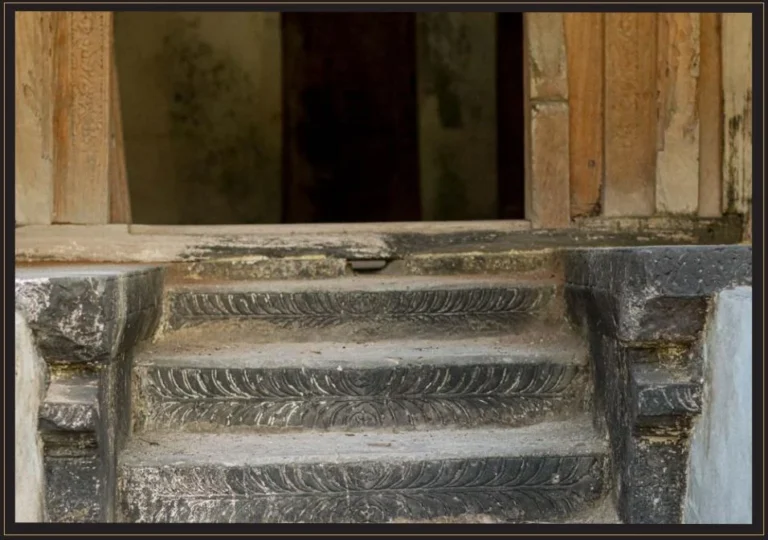
The Historic Friday Mosque of Hithadhoo is a significant cultural landmark that embodies the story of Islamic unity, religious heritage, and Maldivian traditions. This small coral stone mosque showcases the exceptional craftsmanship of Maldivians, particularly in lacquered woodwork and coral stone artistry.
Originally known simply as the Friday Mosque, its name changed after larger mosques were constructed on the island. It then came to be referred to as the “small mosque”.
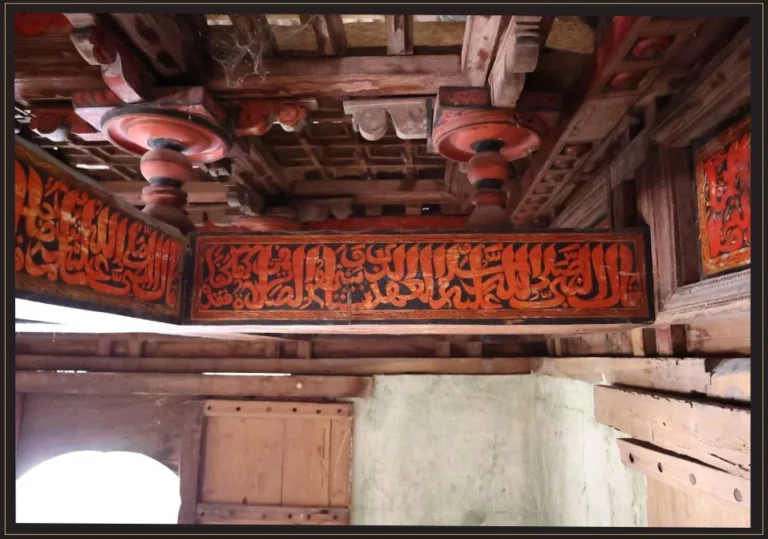
It is said that the mosque was built by the King of Devadhu. However, the seal on both sides of the entrance reads “Al-Khatib al-Qazi Muhammad ibn Haji Ali.” This indicates that the mosque was constructed during the time when King Devadhu served as the Chief Judge of the Maldives, prior to his ascension to the throne. An inscription on the mosque’s beams confirms that it was built in 1100 AH (1688 or 1689 AD) by Al-Faqih al-Qazi Muhammad ibn Ali ibn al-Qazi Muhammad. He became the ruler of the Maldives in 1103 AH, three years after the mosque’s construction. While he built and renovated many mosques across the Maldives, this is the only surviving mosque from his time as a judge—a unique historical feature.
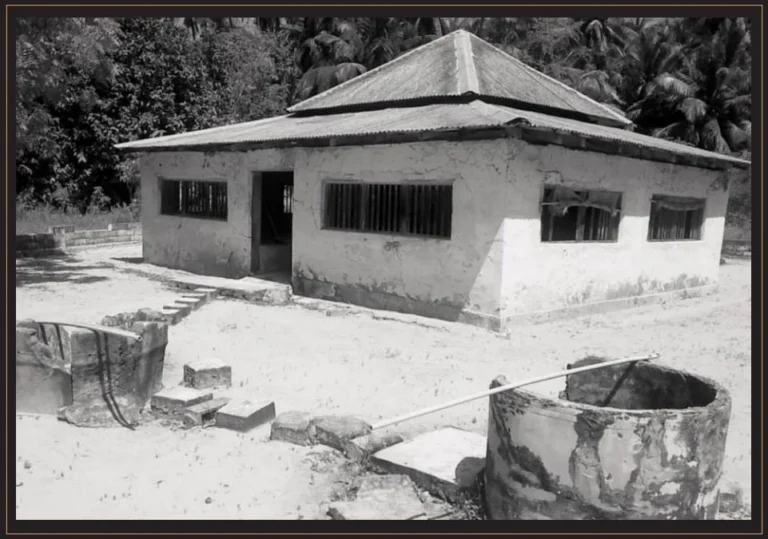
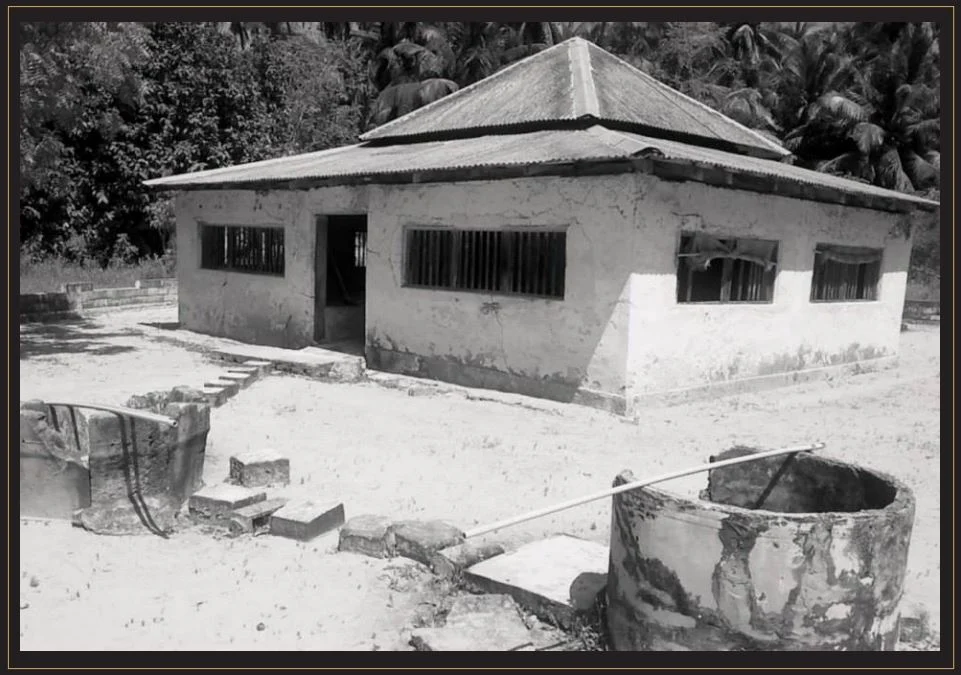
The mosque originally measured about 120 square feet and had a coconut thatch roof until the 1980s, when it was extended and covered with tin. An inscription on the west wall of the northern veranda indicates that this extension was completed in 1352 AH (1933 or 1934 AD).
The mosque’s wooden beams are beautifully inscribed with verses from the Holy Qur’an, selected Hadiths, and a historical account of the mosque—all rendered in elegant Arabic calligraphy. Nearby, remnants of an old bathing tank can still be seen, along with two ancient octagonal stone wells. Sadly, many of the old gravemarkers in the adjacent cemetery have been destroyed over time.
The mosque has undergone repairs over the centuries, including restoration after a fire, and its preservation reflects the enduring care of the Hithadhoo community.